Commercial video production that starts from the idea, not the format.
A commercial has one chance to be understood. We write it, direct every shot and finish the edit, then deliver the versions each channel asks for. A creative team owns the idea and the approvals; AI produces the footage, so no crew has to be booked.

The commercials we make
- 01
Brand commercials
A longer film that gives a brand a point of view and a memorable image.
- 02
Launch commercials
The film for a product, a service or a campaign moment.
- 03
Digital and social ads
Short versions for paid placements, made to be tested. See AI video ads.
- 04
Retail and screen spots
Films for in-store screens and events, built to be understood with or without sound.
Films from the studio
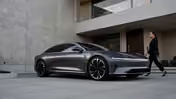
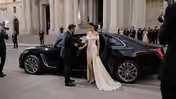
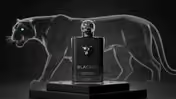
Four films from the studio. They show the picture quality every film starts from.
What you receive
- 01
The master commercial
The full film, finished in picture and sound.
- 02
The versions
Every length and shape listed in the scope, delivered together.
Formats
- 16:9
- 1:1
- 9:16
One commercial, every market
A commercial that runs in several countries needs local voices and local text. We cast real voice talent in each language and accent, adapt the lines for the market and rebuild the words on screen.
The languages page lists every language and accent we cover.
How a commercial is made
- 01
Brief
You tell us the audience, the message, the channels and the date.
You approve the scope
- 02
Concept
We write the idea, the script and the shot plan. You approve them before production.
You approve the approach
- 03
Produce
We create the footage and cut the film. You review the edit.
You review the edit
- 04
Finish
We complete picture and sound, check the film against your claims and deliver each version.
You receive the files
How is a commercial structured?
Most commercials that work follow five beats, whether they run for fifteen seconds or two minutes. The beats stay the same and the time given to each changes.
| Beat | Its job | What it needs |
|---|---|---|
| Hook | Stop the viewer | One image or line that is relevant to them at once |
| Problem or desire | Make it theirs | The situation in the viewer’s words |
| Product | Show the way | The offer, in use, clearly |
| Proof | Make it believable | A claim you can substantiate |
| Action | Say what to do | One action, named once |
What changes between a broadcast commercial and a digital ad?
A broadcast commercial is delivered to a broadcaster’s technical rules and, in many places, a clearance process for claims. A digital ad is delivered to a platform’s specifications and policies, and is often tested in several versions. The creative idea can be the same; the finishing and the approvals are not.
Send us the technical delivery rules of every channel in the brief, because they decide the formats, the lengths and the finishing. We do not quote platform or broadcaster specifications from memory: the video aspect ratios and Instagram Reels size guides give the dated sources for the platforms they cover.
Which versions should a commercial come with?
Plan the master first and cut the versions from it. Choose lengths that correspond to placements and shapes that correspond to screens, and write them as two lists. See video cutdowns for the method.
How do you handle claims and legal lines?
Claims are the part of a commercial that can cause trouble after it runs. Give us the claims that must appear, the claims that must not and the wording your legal team requires, with the source of each. We check the film against that list before the files are delivered, and a claim you cannot substantiate is a claim we do not write.
Questions about commercial video production
What is the difference between a commercial and an ad?
What do you need to make a commercial?
Keep reading
- AI video adsAI video ads for brands, directed by a creative team: one idea cut into the hooks, lengths and formats each channel needs, in every language.Open
- Brand filmAI brand films for companies that want to say who they are: a creative team develops the idea and tone, directs every shot and AI produces the footage.Open
- Social media videoSocial media video production: vertical films, reels and short cuts for every platform, directed by a creative team and produced with AI footage.Open
- Testimonial videoTestimonial video production for brands: structure a customer story, ask good questions and adapt it to every channel, with consent and claims handled.Open
- AI video productionVideo.app is an AI video agency for brands: a creative team writes, directs and edits, and AI makes the footage. Scope first, then four approvals.Open
- LanguagesEvery language and accent we cover for video localization, voiced by real human talent: Spanish, French, German, Portuguese, Arabic, Chinese and more.Open
- How to briefWhat to put in a video brief so a production team can scope and start: objective, audience, channels, formats, languages and timing. Template included.Open
- ServicesProduct and launch films, brand films, social and campaign video, and versions for more formats and markets. Each one directed by people, produced with AI.Open