Motion graphics that make a point move, not just decorate it.
Motion graphics turn type, shapes, data and logos into movement that explains. A creative team designs them to your brand, times them to the voice and delivers them inside a film or as pieces you can reuse.

What we animate
- 01
Titles and text
On-screen words that arrive when the voice says them and leave when they are read.
- 02
Data and diagrams
Numbers, steps and processes shown so a viewer sees the idea at once.
- 03
Logos and end frames
The brand mark entering and leaving a film in a way that matches the brand.
- 04
Product and app explanations
Interfaces and features shown step by step in motion.
Films from the studio
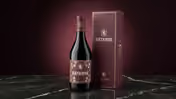
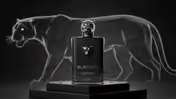
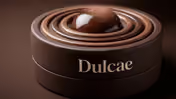
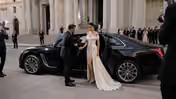
Four films from the studio. They show the picture quality every film starts from.
What you receive
- 01
The animated film or pieces
Each animated piece, finished and in the formats in the scope.
- 02
The style rules
A short note of the choices we made, so later pieces match.
Formats
- 16:9
- 1:1
- 9:16
Motion in every language
Words on screen change with the language. We rebuild text in each language, with the layout redesigned so longer words fit and the timing still works.
The languages page lists every language and accent we cover.
How motion graphics are made
- 01
Brief
You tell us what has to be explained, the brand material and where it will run.
You approve the scope
- 02
Style
We propose a look: type, colour, shapes and movement. You approve the direction.
You approve the approach
- 03
Animate
We build the animation to the voice and the cut. You review it.
You review the edit
- 04
Finish
We complete the pieces and deliver the files for each format.
You receive the files
When do motion graphics work better than other footage?
Choose motion graphics when the thing to be shown is an idea rather than a place or a person: a process, a number, a system, a feature. A diagram that builds as the voice speaks is clearer than any realistic image of the same thing, and it ages better, because it does not look dated when fashions in footage change.
Choose realistic footage when the feeling matters more than the structure. Many films use both: footage for the feeling and graphics for the facts.
What makes motion graphics look professional?
Consistency does most of the work. The same type, colour, speed and easing used everywhere make a film look designed. Movement should follow the voice, text should be on screen long enough to be read twice and nothing should move without a reason.
- One type family and a few sizes, used the same way throughout.
- A limited palette taken from the brand guidelines.
- Movement that eases in and out and follows the voice.
- Text on screen at least as long as it takes to read it aloud twice.
- Space around every element, so nothing competes.
- A calm final frame that holds the message and the action.
What should I send for motion graphics?
The more of the brand system we have, the more the result looks like yours.
- Brand guidelines, logos in vector form and fonts or the names of the fonts.
- The script or the voice, so the timing can follow it.
- The data, steps or diagram to be shown, checked and final.
- Examples of motion you like, and one you do not.
- Where each piece will run, with ratios. See video aspect ratios.
Questions about motion graphics
What is the difference between motion graphics and animation?
Can you animate our logo?
Keep reading
- Explainer videoExplainer video production with AI: a creative team writes the script, directs every scene and delivers it voiced in any language. Scope agreed first.Open
- Video editingVideo editing services for brands: new cuts of a film you have, shorter versions and new formats, with finished picture and sound, by a creative team.Open
- Brand filmAI brand films for companies that want to say who they are: a creative team develops the idea and tone, directs every shot and AI produces the footage.Open
- AI video productionVideo.app is an AI video agency for brands: a creative team writes, directs and edits, and AI makes the footage. Scope first, then four approvals.Open
- LanguagesEvery language and accent we cover for video localization, voiced by real human talent: Spanish, French, German, Portuguese, Arabic, Chinese and more.Open
- How to briefWhat to put in a video brief so a production team can scope and start: objective, audience, channels, formats, languages and timing. Template included.Open
- ServicesProduct and launch films, brand films, social and campaign video, and versions for more formats and markets. Each one directed by people, produced with AI.Open